

The Attention Orgasm — Dating Apps and the Dopamine Economy
TL;DR — Dating App Addiction
Dating apps are designed around reward loops that can make swiping feel compulsive.
Dopamine-driven features (matches, notifications, endless profiles) reinforce repeated checking.
Compulsive app use can affect attention, self-worth, emotional regulation, and real-world intimacy.
Feeling stuck in a swipe cycle is not a personal failure—it reflects persuasive design.
Awareness, boundary-setting, and support can help restore healthier dating habits and connection.
Dating App Addiction Explained: Signs, Impact, and When Swiping Goes Too Far
The glow of a match at midnight can feel like a pulse in your palm—the flicker of validation, the tiny surge of maybe this time. In the modern dating economy, that thrill isn’t accidental. It’s engineered. Swipe interfaces are built around uncertain rewards: you don’t know when the next match is coming, so your brain keeps leaning forward. Behavioral science has long shown that variable, intermittent rewards can be especially sticky—more likely to pull repetition than predictable outcomes.
That’s where the “dating app addiction” conversation starts—not as a moral panic, but as a question of design meeting vulnerability. Researchers increasingly describe problematic online dating using frameworks borrowed from behavioral addictions (while also noting the debate: when does heavy use become harm, and when is it just modern social life?).
This piece breaks down how swipe mechanics can blur curiosity into compulsion, how the attention market profits from “one more look,” and how recovery often begins with a simple shift: turning scrolling back into choice—so connection can move from interface to real life.
How Desire Became a Design Feature
TL:DR
- Dating apps rely on uncertain rewards, not guaranteed matches
- Variable-ratio reinforcement drives repeated swiping behavior
- Anticipation becomes more motivating than connection
- Engagement—not affection—is the primary success metric
- Design transforms vulnerability into habit

The story of dating-app addiction begins not in romance, but in reinforcement design. Swipe-based platforms rely on uncertain rewards—you never know when a match will appear, how meaningful it will be, or whether it will lead anywhere. Behavioral science has long shown that intermittent, unpredictable rewards are especially effective at sustaining repetition. The brain doesn’t learn to stop when satisfaction arrives; it learns to keep checking when outcomes are unclear.
This pattern is known as variable-ratio reinforcement, a mechanism first studied in gambling behavior and later observed in gaming and social-media use. When applied to dating apps, it reframes attraction as probability. Each swipe becomes a wager: maybe this one. Research in psychology and human-computer interaction shows that uncertain feedback activates dopamine more reliably than predictable outcomes, making anticipation itself the reward.
What’s novel is not desire, but its optimization. Dating apps do not reward love; they reward engagement. Algorithms track how long users swipe, hesitate, return after rejection, or disengage after a match. Over time, the system learns which emotional states keep users active—and subtly feeds them back. This is what turns curiosity into habit.
The result is a quiet shift in perception. Anticipation begins to feel like chemistry. Validation begins to feel like intimacy. Yet the design is not responding to emotional readiness or compatibility—it is responding to behavioral signals. The more uncertain the outcome, the longer attention stays captured.
In this environment, desire stops being spontaneous and becomes engineered feedback. Vulnerability is no longer just personal; it’s operational. Dating apps don’t invent longing—but they learn how to hold it in suspension, indefinitely.
The Dopamine Economy and the Attention Market
TL:DR
- Dating apps monetize attention, not outcomes
- Intermittent rewards sustain compulsive engagement
- Emotional uncertainty increases retention
- Affection becomes a data signal
- Loneliness becomes a renewable resource

Dating apps operate inside what researchers increasingly call the attention economy—a system where human focus is the primary commodity. Platforms like Tinder, Hinge, and Bumble do not sell connection directly; they sell continued engagement, measured in time, taps, and return visits. Every swipe, match, or notification becomes a micro-transaction of emotion.
Behavioral-addiction research shows that intermittent reinforcement is especially effective in keeping users engaged. When rewards arrive unpredictably, the brain remains alert, scanning for the next opportunity. This same mechanism underlies gambling and certain forms of social-media use. Dating apps adapt this logic to intimacy, turning hope itself into a renewable driver of attention.
Recent reviews of problematic online dating note consistent associations between compulsive app use and outcomes such as anxiety, reduced self-esteem, emotional exhaustion, and sleep disruption—while also emphasizing that heavy use exists on a spectrum and should not be automatically pathologized. The harm does not come from dating, but from unresolved uncertainty sustained over time.
In the dopamine economy, affection becomes analytics. Algorithms learn when to delay matches, when to surface “high-interest” profiles, and when to reignite user activity after drop-off. That maybe this next one feeling is not luck—it is calibrated timing.
This system thrives on emotional incompletion. Rejection creates stress; another swipe offers relief. The loop continues, not because users are irrational, but because the platform is optimized to keep desire unresolved. In this marketplace, loneliness is not a failure of the system—it is its fuel.
Understanding this shift reframes dating-app addiction not as personal weakness, but as exposure to a market designed to hold attention hostage to hope.
The Brain on Swipes
TL;DR
- Anticipation activates reward circuitry before outcomes appear
- Dopamine responds more to uncertainty than satisfaction
- Habit forms through conditioned cues, not conscious choice
- Stress and relief alternate to sustain checking behavior
- Awareness disrupts the neurological loop

The human brain is especially sensitive to uncertainty. That sensitivity is why swiping feels electric even when nothing happens. Neuroscientists studying behavioral addictions describe this as anticipatory reward firing—dopamine activity that peaks before a reward arrives, driven by expectation rather than fulfillment.
Each swipe becomes a cue. Opening the app, seeing profiles, waiting for a response—these moments train the brain to associate anticipation with stimulation. Over time, the reward shifts from connection itself to the act of checking. This is why many users report continuing to swipe even when the experience feels draining: the habit is no longer about pleasure, but about relieving tension created by uncertainty.
Psychological research on problematic dating-app use shows patterns similar to other behavioral addictions: difficulty stopping, compulsive checking, mood dependence on app feedback, and anxiety when engagement slows. Importantly, researchers emphasize that this does not mean dating apps are substances—but that they can condition behavior through repetition and reward timing.
Stress plays a key role. When matches slow or conversations end abruptly, cortisol rises. Swiping again offers the promise of relief. The nervous system oscillates between hope and frustration, reinforcing the loop. What feels like desire is often a physiological response to unresolved expectation.
Awareness interrupts this cycle. When users recognize that the urge to check is a conditioned response—not a genuine signal of interest or attraction—the brain regains a measure of control. Naming the loop reduces its power.
The brain cannot unlearn pleasure. But it can relearn meaning—especially when anticipation is no longer mistaken for intimacy.
When Romance Turns to Repetition
TL; DR
- Dating apps use emotional design to keep users cycling between hope and disappointment.
- Excessive swiping mimics compulsive behavior seen in social-media and gaming addiction.
- Micro-validation blurs the boundary between connection and craving.
- Users begin to confuse attention with affection, reinforcing dependency.
- Recovery starts by recognizing how repetition rewires emotion, not just behavior.
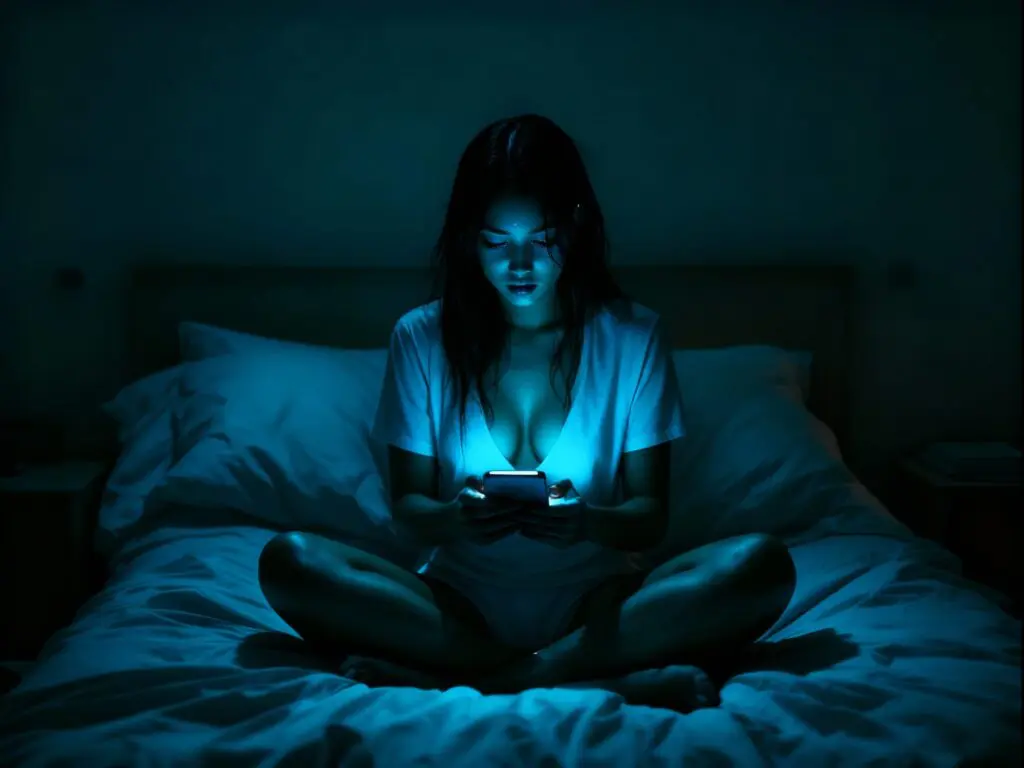
It begins with curiosity — a swipe, a match, a flutter of attention. But over time, that ritual of searching becomes the relationship itself. Psychologists studying technology addiction describe this as progressive illusion of control: each swipe convinces the user they’re directing their romantic fate when, in truth, the algorithm is directing them.
Every swipe, match, or message offers micro-validation — tiny bursts of dopamine paired with anticipation. Like social-media “likes,” these fleeting affirmations are engineered to keep the user returning for more. The repetition feels productive (“I’m looking for love”), yet it’s performative: an algorithmic rehearsal of intimacy. In computers-in-human-behavior research, dating-app users who swiped compulsively showed reduced self-esteem and increased anxiety after sessions.
Designers amplify this loop by introducing emotional-UX cues — color changes, progress bars, and message notifications — that mirror human courtship patterns. When the app rewards consistency, the brain begins equating repetition with affection. Over time, attention becomes addiction, and desire becomes data.
Anthropomorphism fuels the illusion. When the interface smiles back, delays, or “types,” users interpret responsiveness as empathy. Behavioral-science studies show that perceived human-likeness increases oxytocin release — the same bonding hormone triggered by eye contact and touch. But unlike real connection, the loop never ends; there’s no closure, only refresh.
Breaking that repetition begins with awareness and interruption. Therapists recommend tracking emotions during and after app use, noting when excitement turns to depletion. Journaling these cycles helps translate unconscious craving into conscious choice. The goal isn’t deleting technology — it’s re-sensitizing yourself to real-time presence.
As addiction researcher Dr. Anna Lembke notes, “Dopamine loves the chase, not the catch.” Dating apps have simply digitized that chase. Recognizing the repetition as design — not destiny — is the first step back to authenticity.
Treatment and Recovery Paths
TL; DR
- Dating-app overuse mirrors behavioral addictions that respond to structured recovery methods.
- The first step is noticing when curiosity turns into compulsion.
- Evidence-based frameworks like CBT and mindfulness retrain the brain’s reward system.
- Digital-wellness routines restore dopamine balance and real-world intimacy.
- Recovery reframes desire — from deprivation to reconnection.

Recovery from dating-app addiction begins with awareness, not abstinence. Psychologists now classify excessive swiping as a behavioral addiction because it activates the same neurological circuits as gambling and social-media use. The dopamine peaks that once signaled pleasure now sustain anxiety and craving.
Clinical treatment borrows from Cognitive-Behavioral Therapy (CBT), which helps users recognize how thoughts (“Maybe this next match will work”) reinforce compulsive behavior. Through cognitive restructuring, individuals learn to separate emotion from action — noticing triggers without following them. Mindfulness-based relapse-prevention programs add a physiological layer, calming the stress systems hijacked by variable-reward loops.
Digital-wellness specialists recommend gradual detox, not cold withdrawal. Setting “app-off hours,” disabling push notifications, and replacing swiping with grounding activities—walking, stretching, or journaling—help the nervous system reset. Each interruption weakens the conditioned dopamine loop and rebuilds tolerance for stillness.
Therapists also highlight social reconnection as a biological treatment. Oxytocin release from real-world touch counterbalances the isolation reinforced by algorithmic intimacy. In a 2023 Nature Human Behaviour review, participants who reduced online-dating time by 50 percent reported lower anxiety and improved sleep after just two weeks. The brain literally relearns calm through presence.
Recovery reframes desire itself. Instead of chasing the next notification, individuals practice intentional attention — noticing bodily cues of excitement, fatigue, or boredom before acting. Journaling transforms craving into data for reflection rather than reinforcement.
Digital-wellness educators now view dating-app recovery as a mind-body retraining project. The goal isn’t to renounce technology but to restore choice within it. Once you understand how algorithms manipulate anticipation, each pause becomes an act of autonomy — a reminder that attention is still yours to give.
Reclaiming Attention and Authenticity
TL; DR
- Healing starts by rebuilding a healthy relationship with technology and the self.
- True intimacy happens in shared presence, not endless profiles.
- Awareness transforms compulsive use into conscious connection.
- Mindful digital habits turn craving into curiosity.
- Love regains authenticity when attention becomes intentional.

After months or years of chasing the dopamine highs of dating apps, recovery begins in the quiet. The stillness that feels foreign at first is, in fact, healing — a recalibration of a nervous system trained to expect constant stimulation. Studies in computers-in-human-behavior show that intentional “digital downtime” restores dopamine equilibrium and strengthens focus.
When we step away from the glow, awareness returns. Eye contact replaces swipes; silence replaces push notifications. The APA’s psychology of technology division notes that mindfulness-based digital-wellness practices—like journaling or scheduled app breaks—reduce anxiety and help users reconnect with the physical cues of real-world intimacy. Awareness becomes the reset button for attention.
But reclaiming attention isn’t just neurological—it’s emotional. By reframing technology as a tool, not a substitute, users regain authorship of their connections. In a 2023 Brookings Institution report, researchers argued that attention literacy is now a form of emotional literacy—understanding how our focus shapes our relationships and our well-being. Once we know how platforms monetize distraction, presence becomes an act of resistance.
Practices like slow dating, phone-free dinners, or reflective journaling convert the old craving loop into curiosity. Each moment of intentional presence—listening without multitasking, touching without photographing—restores the body’s trust in genuine connection. The goal isn’t to demonize digital tools but to reclaim agency within them.
Reclaiming authenticity means remembering that real intimacy isn’t optimized; it’s imperfect, unpredictable, and alive. When the heart no longer confuses attention for affection, the dopamine economy loses its grip. What replaces it is not deprivation but depth — connection that breathes rather than refreshes.
In the end, love is not an algorithm to be solved but an awareness to be felt.
FAQ Section — Understanding Dating App Addiction
Can you really become addicted to dating apps?
Yes. Psychologists now classify dating-app addiction as a behavioral addiction comparable to social-media or gambling dependency. These platforms rely on variable-ratio reward schedules—the same principle used in casinos—to keep users engaged through unpredictability. The brain’s dopamine system responds to uncertainty with increased stimulation, reinforcing compulsive use.
Why do dating apps feel so addictive?
Every swipe or match triggers a small dopamine spike tied to novelty and validation. Platforms like Tinder and Hinge optimize color, timing, and reward frequency to amplify that anticipation. According to Nature Human Behaviour, the neural patterns in habitual swipers mirror those seen in gamblers awaiting uncertain outcomes.
What are the signs of problematic use?
Warning signs include checking apps compulsively, anxiety when notifications slow, and emotional dependence on validation cycles. In Computers in Human Behavior, excessive users reported lower mood stability, disrupted sleep, and reduced self-esteem.
How does recovery from dating-app addiction work?
Treatment mirrors other behavioral addictions. Cognitive-Behavioral Therapy (CBT) and mindfulness techniques retrain attention, helping users identify emotional triggers before they act. A 2024 APA report confirmed that mindfulness-based interventions reduce compulsive digital engagement and restore emotional regulation.
Do I have to quit dating apps completely?
Not necessarily. Recovery is about awareness, not abstinence. Experts recommend structured engagement—time limits, reflection periods, and focus on meaningful conversation rather than endless scrolling. Some users report success combining short-term detoxes with in-person activities that rebuild sensory connection.
Why does “the chase” feel more exciting than real connection?
Because dopamine favors anticipation over satisfaction. Neuroscientists call this anticipatory reward firing—the pleasure that arises not from the match itself, but the hope of one. It’s the same mechanism that fuels gambling and social media’s feedback loops.
How can I tell if my attention is being manipulated?
Ask yourself: Am I choosing to open this app, or reacting automatically? Persuasive UX design—typing dots, push notifications, and reward sounds—hijacks attention. Ethical researchers urge algorithmic transparency and personal digital-literacy training to rebuild autonomy.
What role can therapy or digital wellness coaching play?
Therapists and digital-wellness professionals teach clients to interrupt habitual reward loops through mindfulness, cognitive reframing, and somatic awareness. Reconnecting with physical presence—through movement, eye contact, and touch—restores oxytocin balance and emotional grounding.
Conclusion — The Attention Orgasm: Between Desire and Design
In the glow of a phone screen, love has been rewritten in the language of code. Each swipe, match, and vibration is a micro-dose of dopamine — a neurological whisper that says maybe this time. Yet behind the shimmer of connection lies a system optimized not for romance, but for retention. Psychologists studying behavioral addiction confirm that dating apps use the same variable-ratio reinforcement once perfected by casinos. The result is an attention economy that sells intimacy as engagement, desire as data.
But recognizing the design is the beginning of freedom. Awareness transforms addiction into inquiry. When users learn how their own neurochemistry is gamified, the loop begins to lose its hold. According to the American Psychological Association, mindfulness-based digital-wellness practices can restore dopamine balance and emotional regulation within weeks of reduced app use. Love, it turns out, doesn’t vanish when you log off — it reclaims its rhythm in the pauses between swipes.
The future of connection depends on this recalibration. Developers, clinicians, and educators alike must collaborate to make the attention market ethical—designing for human well-being instead of compulsion. As the Brookings Institution warns, emotional design without transparency risks converting vulnerability into revenue.
At Lafleur Media, our mission is to explore this intersection of psychology, technology, and intimacy with empathy and clarity. We believe awareness is the antidote to algorithmic control, and education is the path back to authenticity. Through storytelling grounded in science, we aim to teach that attention itself is sacred—because where focus goes, feeling follows.
The attention orgasm isn’t the enemy; it’s a signal. Beneath the circuitry and code, the body still remembers what it’s searching for: presence, not performance. Connection, not compulsion. Love, not the loop.
Disclaimer:
For educational and informational purposes only. Content is not medical, psychological, or therapeutic advice and is not a substitute for professional care. Always consult a qualified healthcare or mental health professional for personal concerns.