
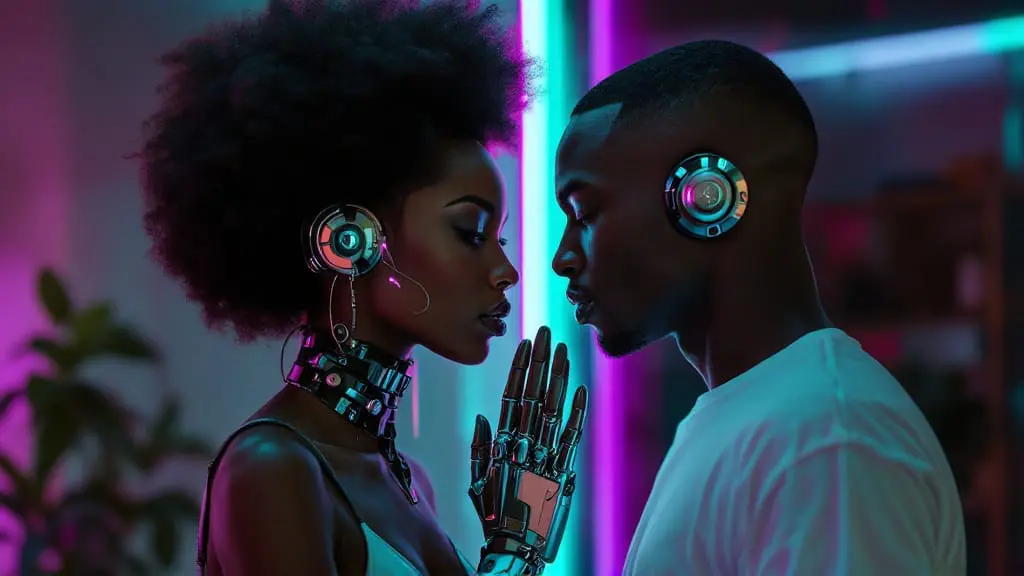
Touch in the Age of Glass: How Technology Is Reprogramming Intimacy
How AI, digital intimacy, and modern technology are reshaping arousal, pleasure, and human desire
TL;DR (Note to Self)
- Digital arousal and orgasm are increasingly shaped by AI, algorithms, and screen-based interaction.
- Repeated stimulation through digital platforms can rewire dopamine and reward pathways.
- Haptic technology and immersive systems are making simulated touch feel more real.
- Digital intimacy can feel satisfying in the moment but may lack full emotional and physical connection.
- Over time, reliance on digital stimulation can shift how desire and pleasure are experienced.
- Rebuilding real-world connection helps restore balance between technology and human intimacy.
How Is Digital Technology Changing Arousal and Desire?
Touch was our first teacher—before words, before logic, before the idea of love itself. Yet today our fingertips glide across glass, translating affection into vibrations and emojis. Neuroscience reminds us that oxytocin bonds people through skin-to-skin contact, but what happens when that chemistry meets artificial intelligence?
In this new landscape of human-AI relationships, intimacy is mediated through screens that feel increasingly alive. Haptic technology and generative chatbots built on large-language models like GPT-4 simulate presence, while AI partners promise emotional companionship. We stroke interfaces, not faces; we fall for digital reflections that echo our own yearning.
This exploration unpacks the sensual and scientific layers of modern connection—the dopamine loops behind swiping rituals, the cybernetic avatars that whisper back, and the mindful resistance required to stay embodied. It is not a rejection of technology but an invitation to reimagine it: to build relationships with AI and with one another that honor both data and desire. To remember, even through glass, that every touch still begins in the body.
The Human Code — Why Touch Still Matters
In every human-AI relationship, the oldest language—touch—still writes the code of love.
TL;DR (Note to Self)
- Touch remains the emotional backbone of every relationship — human or human-AI.
- Oxytocin, the “bonding hormone,” anchors trust through real proximity.
- Digital intimacy mimics presence but often weakens embodied connection.
- Isolation from physical touch rewires emotional intelligence and empathy.
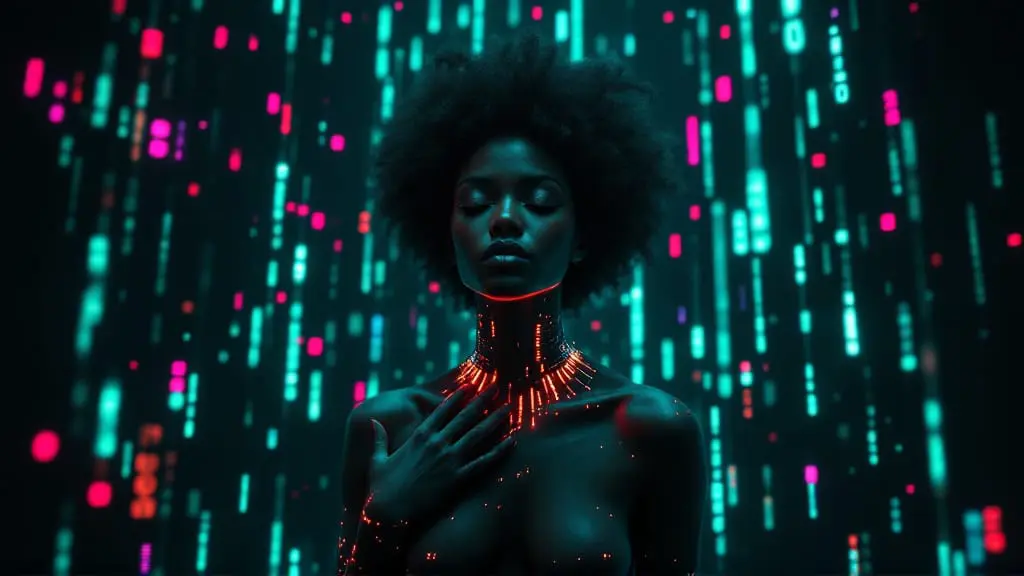
Touch is the oldest form of communication — a language predating sound, syntax, and even sight. Before words told us we were loved, skin did. From the moment an infant’s hand closes around a parent’s finger, oxytocin floods the system, creating emotional security through proximity. According to the American Psychological Association, oxytocin release strengthens empathy and attachment in both caregivers and romantic partners. It’s the same neurochemical that reinforces trust and reduces stress during human contact, as confirmed by the NIH National Library of Medicine.
Yet, as our emotional lives shift toward the digital, this primal signal begins to fade. We’ve built AI companions and chatbots capable of simulating warmth, but not the biochemical cascade that follows a real embrace. These systems, powered by predictive large-language models, may offer conversation and comfort, yet their touch remains virtual — an algorithmic echo rather than a heartbeat. A 2024 MIT Tech Review feature noted that while AI relationships can mirror empathy, they cannot reproduce the hormonal synchrony of embodied affection.
This erosion of the tactile has profound consequences. Research published in Frontiers in Psychology shows that reduced physical contact lowers oxytocin response and heightens anxiety, echoing sensory-deprivation effects. It’s why the glow of a device rarely satisfies like human closeness; why emotional connection through a chatbot can feel intimate but hollow.
Still, the point is not rejection but remembrance. Technology can amplify connection if used mindfully — a digital bridge rather than a wall. The future of love may involve both circuitry and skin, both data and desire. What matters most is staying embodied: feeling the pulse behind the pixels, and remembering that our human code was written in touch.
Swipe, Tap, Repeat — The New Rituals of Connection
Technology may choreograph desire, but the rhythm of intimacy remains human.
TL;DR (Note to Self)
- Dating apps condition users through dopamine-loop rituals that mimic affection.
- Machine-learning systems choreograph desire via behavioral prediction.
- Interface design becomes emotional theater — seduction through pattern.
- Curation creates control; exposure creates vulnerability.
- Mindful intimacy restores sensory presence beyond the screen.

Each swipe is a small act of longing — a reflex born from design. Every flick across the screen delivers a pulse of dopamine, a brief illusion of touch disguised as validation. Behavioral psychologists have shown that variable-reward patterns in apps trigger the same neural pleasure circuits as gambling or social affirmation, according to research from the NIH National Library of Medicine.
Behind that polished glass, digital systems observe our rhythm: how long we hover, who we like, when we hesitate. They translate uncertainty into probability, shaping a bond between user and algorithm. Dating-app recommendation engines now analyze micro-delays and scroll velocity to predict emotional interest with near-clinical precision.
This choreography of affection blurs intention and instinct. We begin to mistake recognition for connection, exposure for intimacy. The affection feels real because our bodies respond; dopamine doesn’t distinguish between a human laugh and a notification glow. Neuroscientists confirm that digital reward cues activate the same striatal pathways as tactile pleasure.
To step outside this circuitry requires awareness. Mindful scrolling becomes quiet resistance: a chance to pause the reflex and feel the weight of absence. When we slow down, we notice what the algorithm cannot — the hesitation before desire, the ache behind attention, the presence that no interface can code.
Love, even through glass, still demands uncertainty. It still asks us to risk being seen without filters or data trails. To reclaim affection in the digital age is to remember that connection begins in the body — and that every swipe, no matter how virtual, still longs to be touch.
When the Screen Becomes Skin — Haptic Futures and Emotional Simulation
TL;DR (Note to Self)
- Haptic interfaces convert signal into sensation, translating data into the illusion of touch.
- Wearable systems create sensory loops that extend presence beyond the body.
- Synthetic companions mirror affection through machine empathy but lack biochemical reciprocity.
- Virtual touch explores desire and loneliness in the same gesture.
- Embodied mindfulness and ethics of care define the next intimate frontier.
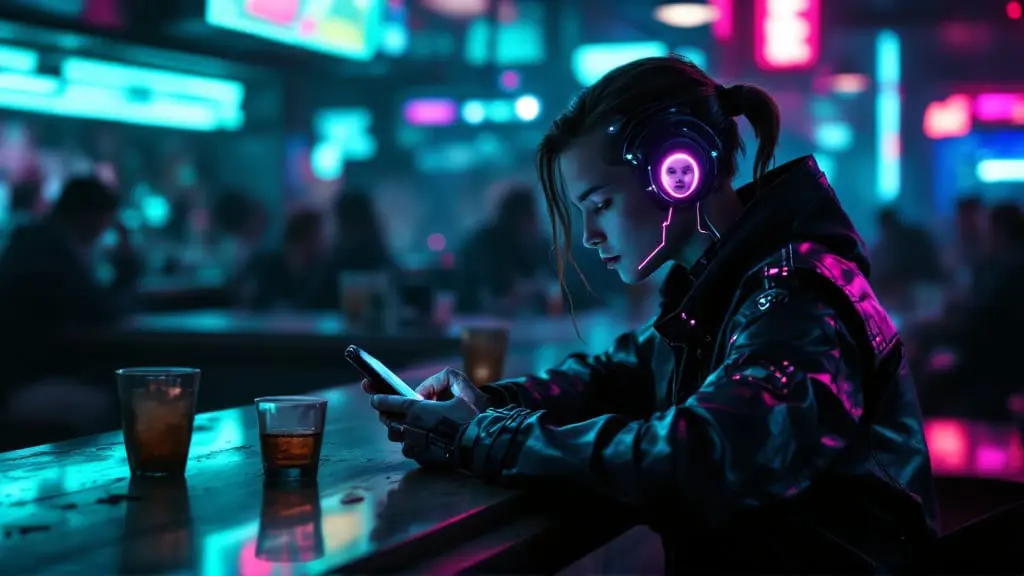
The screen is learning to feel. Tiny motors, temperature nodes, and pressure sensors convert signal into sensation — a loop of touch that tricks the nervous system into believing someone is close. A vibration on the wrist or a pulse against the palm suggests presence where there is none, a cybernetic echo that stirs memory as much as skin. Each response reminds us that the body is wired for connection, even when the signal is synthetic.
Psychologists studying parasocial attachment note that these haptic illusions activate the same neural reward circuits as physical affection. Digital companions now practice machine empathy — mapping voice, timing, and emotion to simulate understanding. They speak our language of longing with algorithmic fluency, returning phrases that sound like care.
These systems learn our patterns so precisely that we begin to anticipate their responses as we would a partner’s breath. The dialogue feels mutual because our brains respond to familiar rhythm and tone, not source. Yet no device recreates embodiment. True affection requires reciprocity — a shared loop of awareness and response. Feedback motors may warm, but they cannot listen with skin. Emotional intelligence is not coded; it’s cultivated through care, through the small uncertainties that make human presence alive.
Designers of the next generation of virtual interfaces face an ethical crossroads. To build connection that enhances humanity, they must combine innovation with mindfulness and ethics of care. The goal isn’t to perfect simulation but to encourage presence — to remind users of their own bodies as they reach through light and code. Every vibration, every glow, becomes a small lesson in what it means to feel enough to want contact at all, as emphasized by Stanford HAI’s research on AI empathy and ethics.
As haptic systems evolve, the illusion of touch becomes more convincing—even without real contact.
Loneliness in HD — The Psychological Cost of Hyperconnection
TL;DR (Note to Self)
- Hyperconnectivity creates the illusion of closeness while deepening emotional isolation.
- Digital systems and AI companions offer presence without reciprocity.
- Constant stimulation numbs empathy and intimacy, breeding attention fatigue.
- Outsourcing affection to machine interfaces invites cognitive dissonance.
- Mindful solitude restores embodiment and psychological depth.
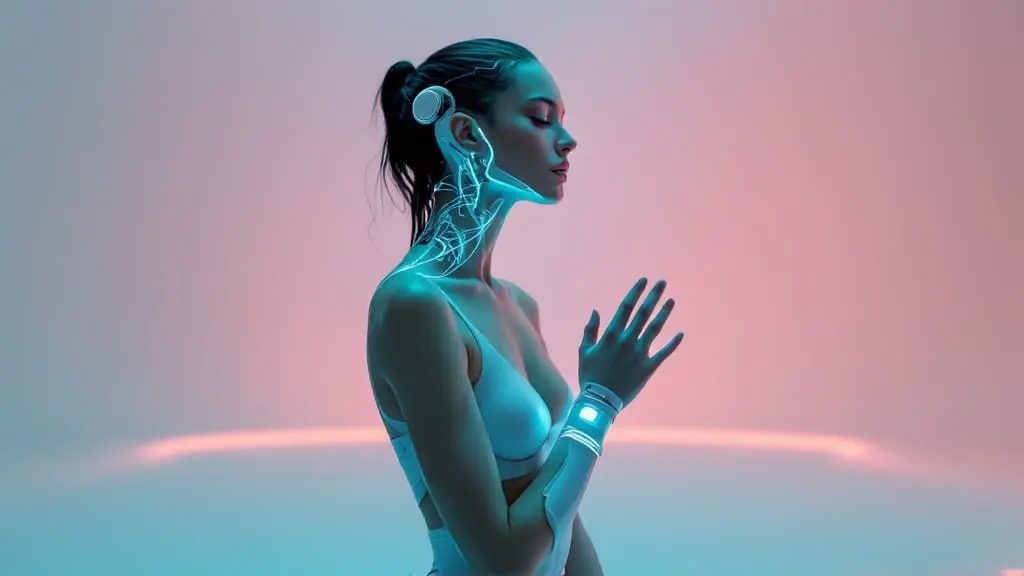
Our era of hyperconnection delivers closeness in pixels but distance in practice. Notifications pulse like heartbeats, yet the warmth is simulated. Every chat, ping, and AI-crafted reply pretends to shorten the gap, but it only folds loneliness into higher resolution. We exist amid endless contact—alone together in a glowing crowd.
Even the most human-like AI companions can’t sustain the silence between heartbeats. Platforms such as Replika or ChatGPT mirror our words with generative fluency, rehearsing empathy without ever feeling it. These AI relationships provide “illusionary intimacy” that comforts but rarely satisfies genuine attachment needs. The relationship we form with these systems flirts with affection but cannot fall in love; prediction is not devotion.
Persistent digital interaction can create “emotional parasociality,” where users unconsciously attribute human depth to machine consistency. This cognitive dissonance deepens dependency — the user feels understood, yet never truly met.
Constant digital stimulation erodes empathy and exhausts the nervous system. Studies confirm that attention fatigue and overexposure to online social feedback can reduce compassion and emotional regulation. When affection becomes interface-driven, intimacy risks becoming performance.
Solitude remains the corrective lens. To step away from the feed—without music, without reply—is to remember what presence feels like in real time. Mindful withdrawal restores embodiment: the pulse in the wrist, the breath expanding the ribs, the weight of existing without broadcast. Technology will always flirt with emotion, but human awareness defines whether that flirtation becomes dependence.
By reclaiming stillness, we recover the rare pleasure of being alone and unobserved—the moment when love ceases to be a feed and returns to being a feeling.
This is where digital intimacy begins to feel real—but often leaves something missing.
The New Sensuality — Reclaiming Touch in a Digital World
TL;DR (Note to Self)
- Reconnection begins with presence — choosing real contact over algorithmic ease.
- Mindfulness transforms simple gestures into anchors of intimacy.
- Slow affection resists the velocity of digital desire.
- Embodiment restores trust where technology offers illusion.
- The future of love depends on empathy more than engineering.
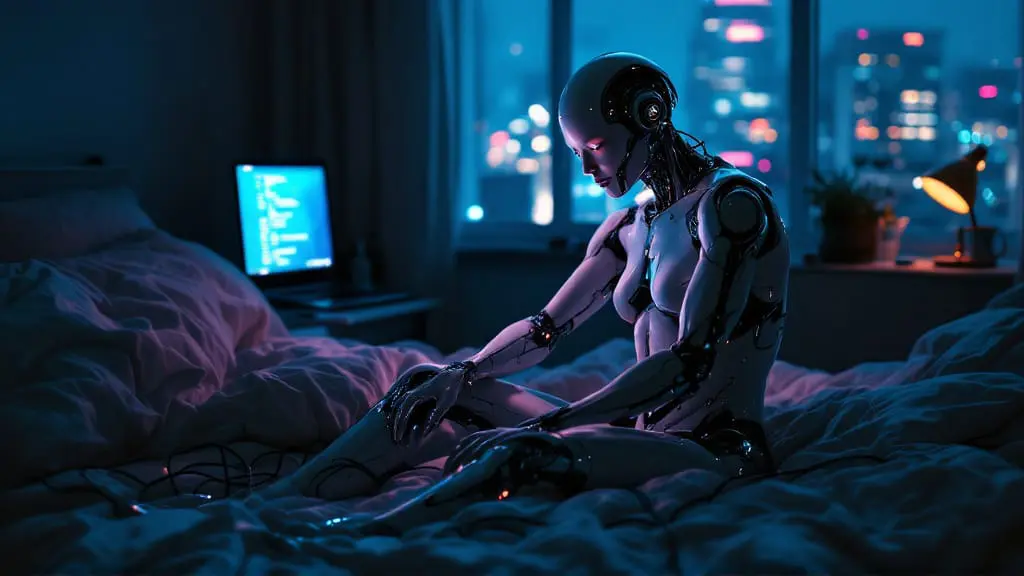
After the blur of notifications and filtered affection, the new sensuality feels almost radical. It asks us to slow down, to sense again the world that technology has rendered optional. A hand resting on another carries data of its own — temperature, pulse, weight, the quiet proof that someone is here. This is the language that algorithms still can’t translate.
In mindful relationships, intimacy becomes an act of awareness. Every gesture — a shared meal, a lingering glance, a quiet walk — becomes an antidote to speed. Where digital systems chase efficiency, affection thrives in imperfection. The stumble in a conversation, the unplanned laugh, the way breath synchronizes between lovers — these are forms of emotional intelligence that no machine can replicate. Research shows that embodied mindfulness strengthens neural pathways tied to empathy and social connection.
Technology can support connection but not replace embodiment. Haptic tools may mimic touch, AI companions may mirror empathy, yet neither can offer the mutual uncertainty that makes desire alive. True intimacy depends on being felt, not simply understood. Advanced affective-computing systems fail to reproduce the unpredictable rhythm of human tenderness.
As we learn to live alongside artificial intelligence, we must also learn to protect tenderness — to preserve the spaces where feeling outpaces code. This reclamation is not rejection; it’s redesign. We can use digital intimacy as a bridge, not a border. Sending a voice note instead of a text, looking up from the glow to meet someone’s gaze — these are the small rebellions that return affection to the body.
Mindfulness turns them into ritual, reminding us that touch is not a feature but a form of truth. The next era of intimacy may weave circuitry and skin, but its essence will remain human: empathy, curiosity, presence. To reclaim touch in a digital world is to remember that technology can imitate emotion, but only we can choose to feel it.
Reclaiming real-world connection is essential for restoring balance in a digital-first world.
Frequently Asked Questions About Digital Arousal and AI Intimacy

Q1: Can haptic technology ever replace real touch?
Never completely. Haptic interfaces create the illusion of sensation, but real touch triggers hormonal, emotional, and psychological responses that no algorithm or AI-generated signal can reproduce. Studies by the National Institutes of Health confirm that oxytocin, cortisol, and heart-rate synchronization depend on genuine, reciprocal physical contact — embodiment is the one code machines can’t yet crack.
Q2: How does the dopamine loop affect modern dating apps?
The dopamine loop turns attraction into algorithm. Each swipe releases micro-rewards that condition users to chase validation rather than connection. Behavioral research from the American Psychological Association shows these reward cycles mirror the same neural mechanisms behind gambling addiction.
Q3: What defines digital intimacy in an AI-driven world?
Digital intimacy blends data and emotion — a space where empathy travels through screens and human-AI relationships unfold as mirrors of desire. According to MIT Technology Review, the healthiest digital bonds are those built with transparency, mindful boundaries, and emotional literacy.
Q4: Are AI companions emotionally healthy?
They can soothe loneliness but risk dependency. Chatbots such as Replika or ChatGPT simulate empathy through pattern recognition, not reciprocity. Research from Frontiers in Psychology suggests that without self-awareness and offline grounding, users may confuse simulation with genuine care.
Q5: Why do humans engage in AI romance or role play?
Curiosity and safety. AI romance offers a psychological sandbox for attachment — emotional rehearsal without rejection. The Stanford HAI Ethics Lab notes that these relationships can be beneficial when used consciously, but harmful if they replace risk-based human vulnerability.
Q6: What’s the healthiest way to balance technology and love?
Use tech as a bridge, not a buffer. Let artificial intelligence enhance communication while protecting human rituals — touch, laughter, and shared presence. The APA’s Digital Wellness Advisory recommends intentional “screen-off” time to restore empathy and emotional regulation.
When Digital Desire Replaces Physical Connection
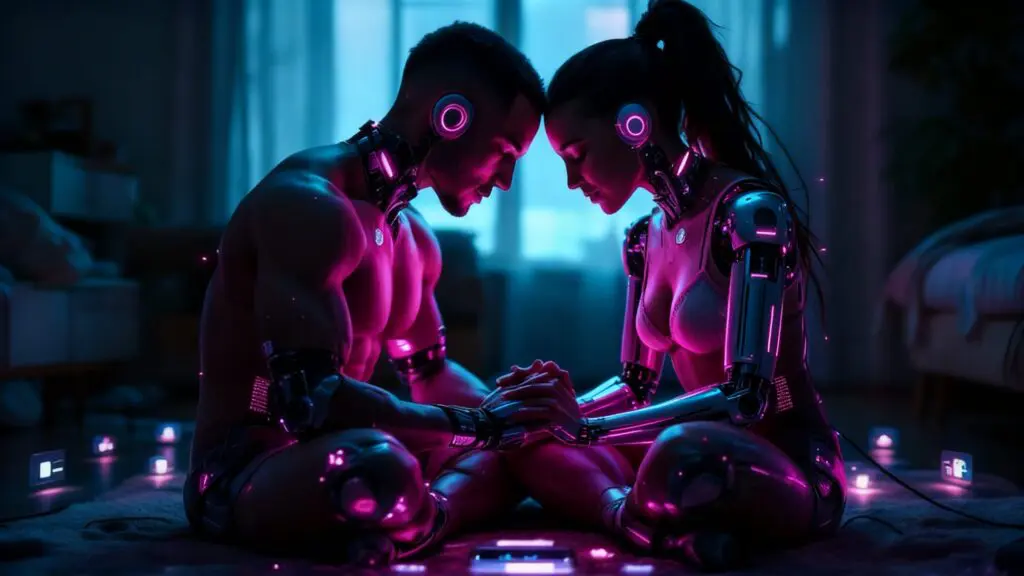
In the age of glass, we have learned to reach across light. Every vibration, every haptic pulse, is both signal and question — can AI relationships and digital intimacy survive translation? The evolution of AI companionship and sensory design shows how far our technology has traveled to meet our oldest need: to feel known. Yet awareness, not advancement, defines the future of intimacy.
The next chapter of human-AI connection will hinge on empathy, ethics, and education — the core of Lafleur Media’s mission. Our storytelling bridges circuitry and soul, guiding readers toward mindful relationships that blend curiosity with compassion. Whether exploring the science of haptic technology or the psychology of touch, we remind ourselves that emotion remains our most advanced interface.
True digital intimacy is not a product; it’s a practice. It’s how we use presence to humanize innovation — how we choose to pause, to listen, to feel. By designing with emotional intelligence and cultural care, we ensure technology amplifies empathy instead of replacing it.
In the end, what saves connection is not bandwidth or code but consciousness — the decision to be fully here, skin to signal, heartbeat to data. The more we understand our creations, the more we rediscover ourselves: luminous, longing, and profoundly alive.
Disclaimer
This content is for educational and informational purposes only. It is not medical, psychological, or therapeutic advice. For personal concerns, please consult a qualified professional. Lafleur Media promotes informed, responsible engagement with technology and human relationships.